Mar 21 2025
Why I Carry a Card Wallet Now: My Tangem App + Crypto Card Experience
Whoa! Okay, quick gut check — hardware wallets used to feel like overkill. My instinct said paper wallets and cold storage were fine, but then I tried a card that fits in my wallet, and somethin’ clicked. The Tangem-style experience is compact, tactile, and oddly reassuring. Initially I thought a tiny NFC card couldn’t replace a seed phrase, but then realized the user flow is simpler and, in many ways, less error-prone for day-to-day use. Seriously, this is about convenience without throwing away the core principles of private-key custody.
Really? You can tap and sign. Yes. The card lives in your physical wallet. The app handshake happens over NFC, so no wires, no Bluetooth weirdness, and no constant battery anxiety. On the other hand, there are trade-offs — recovery models and multi-sig setups aren’t always as straightforward as a mnemonic backup. Still, for folks who want something you can actually carry without fear of screen loss, a crypto card is compelling.
Here’s the thing. I tested the tangem card across several phones (Android first, then iPhone) and the interaction felt familiar fast. My thumb taps the spot, the app wakes, and the signature request appears — quick, non-clunky. There’s a satisfaction to holding a physical key that you can’t get from a file on a cloud drive. Hmm… that tactile element matters more than I expected.
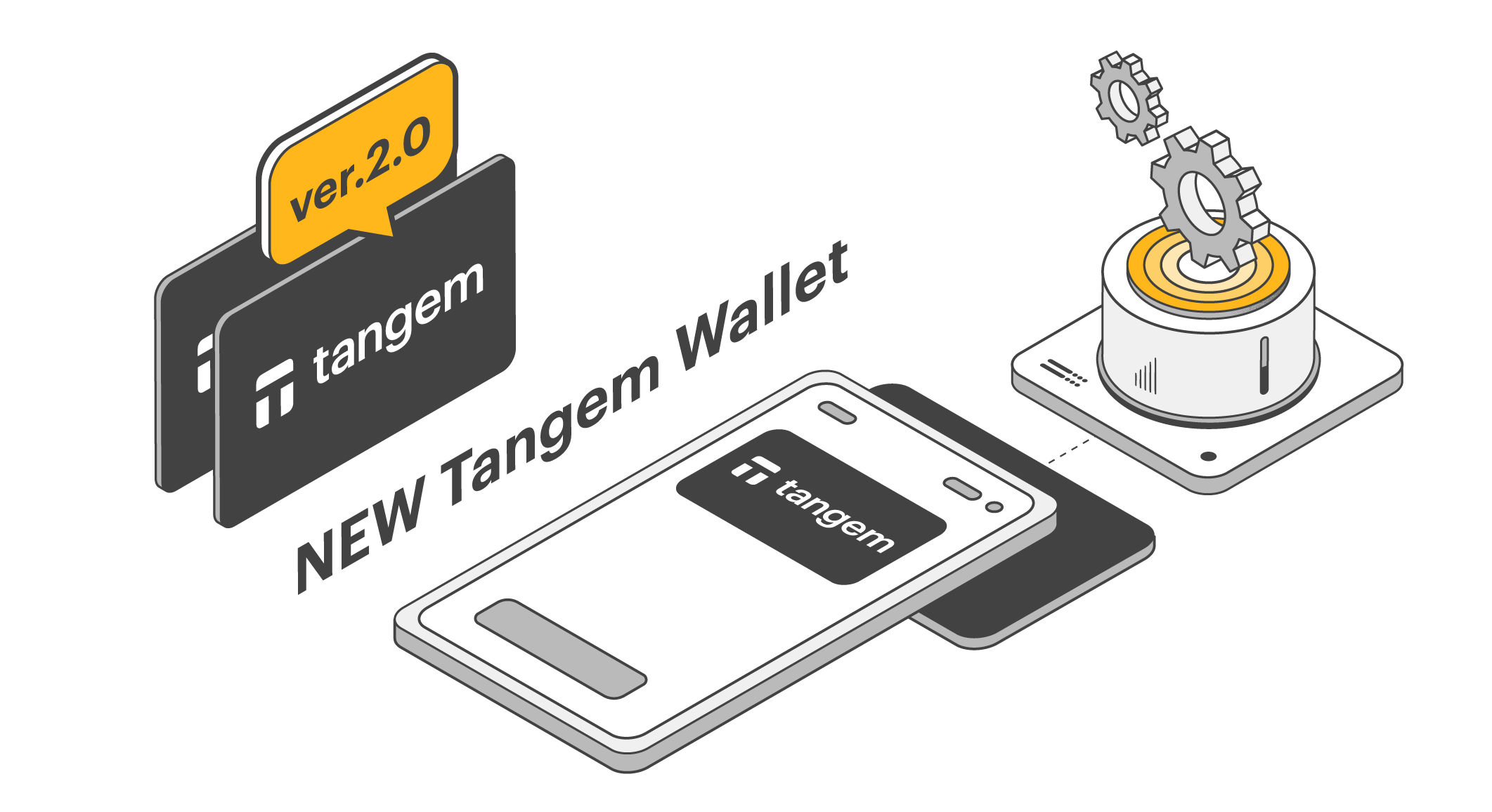
How the Tangem App + Card Flow Feels in Real Life
Whoa! The onboarding is shorter than you’d expect. You tap to register the card, set up a PIN in the app, and the card generates the key on its own — no seed phrase printed on paper unless you explicitly request an export. The design philosophy is “single object, single responsibility”: the card secures the key, the app is the UI. On a technical level, the private key never leaves the chip; it’s generated and stays there, which matches how I assume a hardware wallet should behave.
Hmm… There were moments I felt both thrilled and cautious. For example, the backup model is intentionally different. Instead of a 12-word seed you scribble in a book, Tangem provides a recovery mechanism that can be done via secondary cards or by using a different supported method; that makes me both comfortable and curious about edge cases. On one hand the risk surface seems reduced because there’s no removable seed to lose, though actually, wait—if you lose all cards and backups, recovery gets tricky. You have to plan recovery as deliberately as you plan your wallet.
My instinct warned me about vendor lock-in. I’m biased, but I like open standards. The good news is that many of these card solutions play nice with common standards (BIP32-ish behaviors and widely supported signing workflows) even if the physical format is proprietary. On net, the convenience often outweighs the concerns for daily users, though power users may want multi-sig or hardware combos for redundancy.
What I Liked — And What Bugs Me
Whoa! Instant tap-to-sign felt like magic at first. The UX removes a layer of friction that usually trips people up — copy-pasting addresses, losing a file, or mis-typing a seed. The card is durable (card-sized metal or composite options exist) and it slips into a wallet slot like any credit card. On longer rides (trips, conferences) the card gave a calm confidence: I had keys with me but nothing to fear if my phone needed charging or replaced.
Okay, here’s what bugs me about the ecosystem: recovery expectations are uneven. Some models assume you’ll buy multiple cards as backups, others suggest secure vault services or transferring to another hardware device. That ambiguity can be scary for newcomers. Also, while the chip resists tampering, you still have to trust the supply chain — where the card was manufactured, how it was distributed, and whether tamper seals were intact. Not everything is solved by clever UX.
On the security side, there are solid advantages. A chip that never exposes the private key reduces attack vectors like clipboard hijacks or malware on a desktop. And because the card uses NFC, it doesn’t need to pair like Bluetooth devices, lowering the surface area for persistent connection-based attacks. Yet, I’m not 100% sure about long-term firmware policies for some vendors — who audits updates, who issues them, and how users are notified — so due diligence matters.
Where the Tangem App Fits
Really? The app is intentionally lightweight. It shows balances, lets you tap to sign transactions, and helps you manage multiple cards. For people who want “set it and forget it” with occasional on-chain activity, the app is basically perfect. I embedded tangem into my daily routine for a couple months and it simply worked — from receiving NFTs to moving small amounts of Ether for DeFi experiments.
Initially I thought the app would be limiting for advanced features, but then realized it’s designed to be the simple gateway; heavy lifting is left to other tools via standard transaction formats. On the other hand, if you’re running complex scripted withdrawals or institutional workflows, you’ll likely combine the card with desktop software or command-line tools that support the same signing protocols. That flexibility is essential for adoption.
FAQ
Is a card wallet as secure as a hardware device like a Ledger or Trezor?
Short answer: comparable for many use cases. Both styles keep the private key on a secure element, but the threat models differ slightly. Cards are great for portability and simplicity; traditional hardware devices may offer richer recovery and multi-sig options. On balance, it depends on whether you value everyday usability or extensive enterprise features.
What happens if I lose the card?
Whoa! Losing a single card isn’t always catastrophic if you planned backups. Some users buy a secondary card as a backup or set up a supported recovery option in advance. If you didn’t, recovery can be very difficult, which is why planning is critical. My rough rule: treat the card like cash and plan recovery like insurance.
Will this work with my phone?
Most modern NFC-capable phones will work, though Android tends to offer the broadest compatibility right now. iPhones support NFC for card interactions too, but version differences matter. Check the vendor specs before you buy, and test with small amounts first — I always recommend that step.
I’ll be honest: I’m biased toward things I can hold. The Tangem-style card scratched a itch I didn’t fully admit I had — that physical reassurance matters. On the flip side, it’s not a silver bullet; you still have to design backups, understand recovery trade-offs, and evaluate supply chain risks. Something felt off about treating a single product as the only step in a security plan, and that kept me cautious — though not deterred. If you want a balance of convenience and custody, a crypto card deserves a place in your toolkit.